
Two quotations for the same sofa can look very different simply because one says "EXW" and the other says "DDP". The three or four letters after a price decide who pays for what, who arranges transport and, most importantly, at which point the risk of loss or damage passes from seller to buyer.
These letters are Incoterms®, rules published by the International Chamber of Commerce. The current version is Incoterms 2020. This guide explains the four terms our clients ask about most, with the practical questions that decide which one suits you.
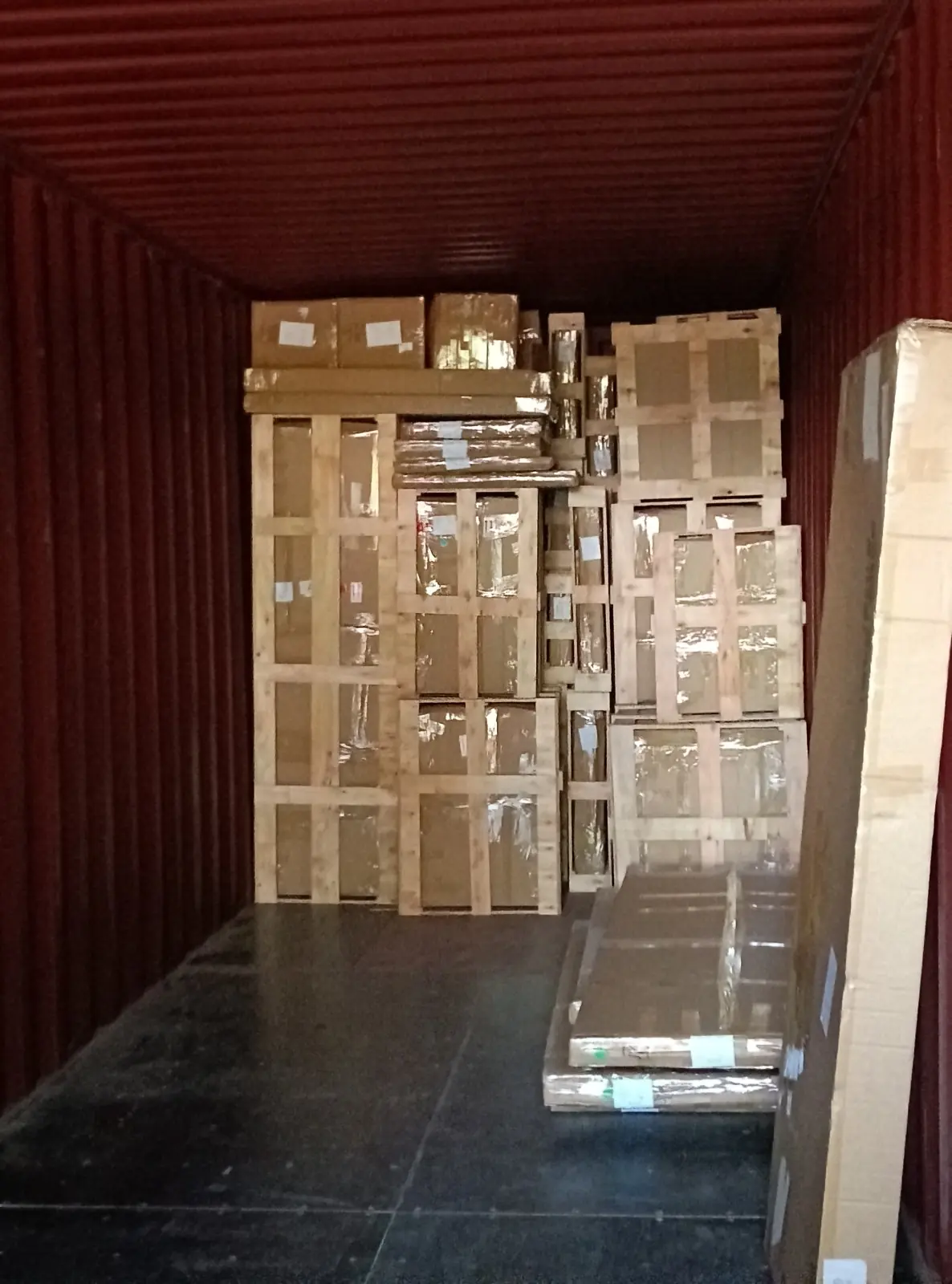
The four terms in one table
| Term | Seller delivers… | Buyer arranges and pays | Often suits |
|---|---|---|---|
| EXW Ex Works | Goods ready at the factory or warehouse | Everything from pick-up, including export clearance | Buyers with their own forwarder in China |
| FOB Free On Board | Goods loaded on the vessel at the Chinese port | Ocean freight, insurance, import clearance, delivery | Importers with a forwarder at destination |
| CIF Cost, Insurance and Freight | Goods on board, with freight and minimum insurance paid to the destination port | Import clearance, duties, local delivery | Buyers who want a port-to-port price |
| DDP Delivered Duty Paid | Goods at the buyer's address, duties and taxes paid | Unloading | First-time importers and private clients, where available |
EXW: the lowest price on paper
Under Ex Works the seller simply makes the goods available at its premises. The buyer, through its forwarder, is responsible for collecting them, export clearance in China, freight, insurance, import clearance and delivery.
EXW looks cheapest, but every cost and every risk after the factory gate is yours. Export clearance must be handled by someone able to do it in China, so EXW really only works if you already have a forwarder or agent there. For goods from several suppliers, buying EXW from each and asking one agent to collect and consolidate them can make sense.
FOB: the classic choice for importers
Under Free On Board the seller delivers the goods on board the vessel at the named Chinese port, and handles export clearance. From that moment the buyer bears the risk and pays ocean freight, insurance and everything at destination.
For cargo from Foshan, the port is commonly Shenzhen (Yantian or Shekou) or Guangzhou (Nansha). FOB suits importers who already use a forwarder at destination and want control over the sea freight booking and insurance.
A technical note: the ICC points out that FOB and CIF were designed for goods loaded directly onto a ship. For containerised cargo handed over at a container terminal, it suggests FCA, CPT or CIP instead. In practice FOB remains widely used for container shipments from China. Ask your forwarder which term fits your shipment.
CIF: a port-to-port price
Under Cost, Insurance and Freight the seller also pays the ocean freight and minimum insurance to the destination port. The catch is that risk still passes when the goods are on board in China, even though the seller has paid the freight. If something goes wrong at sea, it is the buyer who claims on the insurance.
Minimum insurance cover under CIF may not be enough for high-value furniture, stone or glass. Ask what cover is included, and consider extra insurance.
DDP: delivered to your door
Under Delivered Duty Paid the seller delivers to the buyer's address with import duties and taxes paid. The buyer only unloads. For a private client furnishing a home, or a first-time importer, this is the simplest option: one price, one counterpart.
DDP is not available for every destination, because the seller must be able to clear goods into your country and pay its taxes. Where it is available, check exactly what is included (for example, delivery to the kerb or into the building).
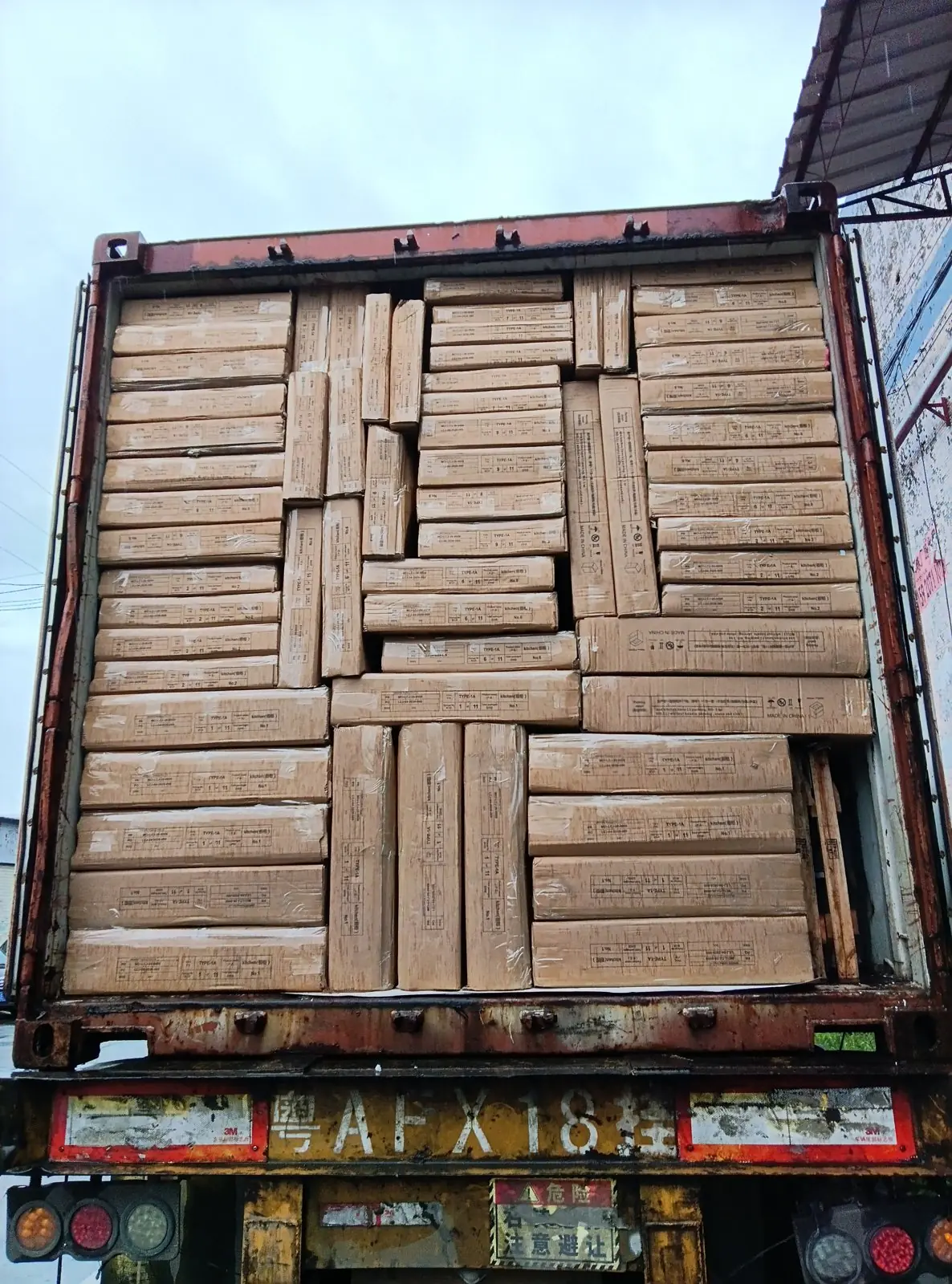
How to choose: four questions
- Do you have a forwarder or customs broker at destination? If yes, FOB gives you control. If no, CIF or DDP is simpler.
- How experienced are you at importing? First-time importers and private clients usually prefer DDP where available.
- How valuable or fragile is the cargo? Check insurance carefully under CIF, and consider arranging your own cover under FOB.
- Are you buying from several suppliers? Consolidating everything in one warehouse and shipping it under one term avoids a different arrangement for every supplier. See How to Consolidate Everything into One Container.
Documents you will see
Whatever the term, a typical export from China involves a commercial invoice, a packing list, an export customs declaration (handled by a licensed broker or forwarder) and a bill of lading. Depending on the destination, a certificate of origin (including preferential forms under free-trade agreements), ISPM 15 or fumigation records and product test reports may also be needed. Our import and export page describes how we coordinate them.
Product compliance is separate from Incoterms
Incoterms decide delivery, cost and risk. They do not decide whether a product may be sold in your market. Lighting, windows, plumbing products and fabrics often need market-specific documents, for example CE or UKCA declarations for lighting, WaterMark or WRAS for plumbing products, or flame-retardancy test reports for contract fabrics. We confirm these with suppliers before ordering. See our guide to sourcing building materials for a villa.
Frequently asked questions
What is the difference between FOB, CIF and DDP?
Under FOB the seller delivers the goods on board the vessel at the Chinese port and the buyer pays ocean freight, insurance and import costs. Under CIF the seller also pays freight and minimum insurance to the destination port, but risk passes when the goods are on board in China. Under DDP the seller delivers to the buyer's address with import duties and taxes paid.
Which shipping term does XZH Trading use?
We ship on the Incoterm agreed with each client, for example FOB, CIF or DDP. Exact terms are agreed per shipment and shown in the proposal.
Which port do goods from Foshan leave from?
Export cargo from Foshan commonly ships from Shenzhen (Yantian or Shekou) or Guangzhou (Nansha). Some cargo starts at Foshan river terminals and is transferred to a main port by barge.
Are Incoterms the same as the payment terms?
No. Incoterms cover delivery, costs and risk. Payment terms, such as deposits and balances linked to inspection, are agreed separately.
XZH Trading, Foshan Xuzhihui Trading Co., Ltd. (佛山市栩智汇商贸有限公司)
Email: miuw5586@gmail.com · Phone / WhatsApp: +86 180 2494 6029 · Consolidation, packing and shipping